Activities to Do at Home With an Older Person: Practical Ideas
26 October 2026
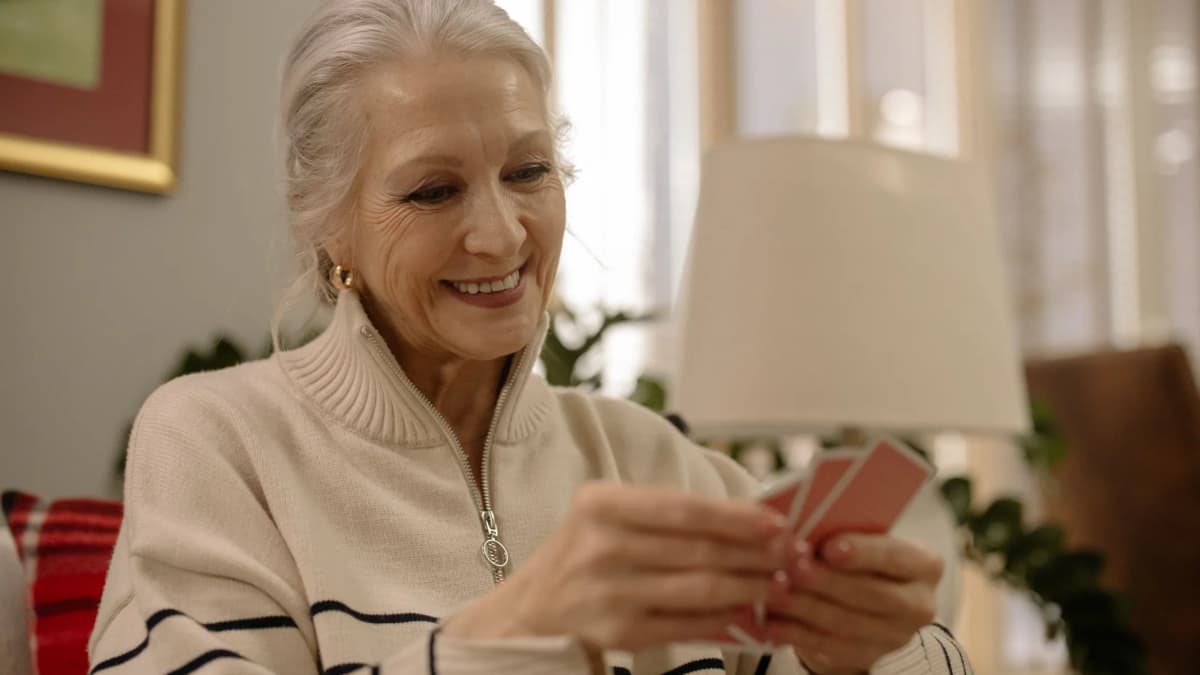
The best activities to do at home with an older person are ones built around what they already enjoy: cards or puzzles, cooking, music, gardening in pots, looking through photos, or a short walk and stretch. Pick one that suits their energy that day and keep it simple.
This guide gives practical ideas for families and for support workers. It is general information, so choose what fits the person's interests, health and routine rather than working through a list.
How to choose an activity that suits the person
Start with what they used to do, not what you think they should do. A former baker may enjoy mixing a simple recipe, and a keen reader may prefer being read to. Ask them, offer two options, and let them say no.
Healthdirect suggests choosing activities you enjoy to help you stay motivated, and doing them with a friend where you can. The same applies to company at home: a shared activity is easier to look forward to than one you are talked into.
A few things help most activities go well:
Energy: match the activity to the time of day when they feel best.
Length: 15 to 30 minutes is plenty to begin with, and stopping early is fine.
Setup: have everything out and within reach before you start.
Comfort: a good chair, good lighting and a drink close by.
Quiet activities at a table or in a favourite chair
These need little energy and can be done almost anywhere in the home.
Cards and board games: simple, familiar games such as rummy, snap or dominoes work well, and a regular game day gives the week a shape.
Puzzles: a jigsaw left on a table can be added to a few pieces at a time, and crosswords or word searches suit people who like to think things through.
Photos and memories: looking through an album together invites stories without any pressure, and you can label the photos as you go.
Music and radio: playing songs from their younger years, or humming along to a favourite, often starts conversation.
Reading aloud: a chapter of a novel, a newspaper column or a magazine article can be shared over a cup of tea.
Hands-on activities in the kitchen and garden
Doing something useful with your hands often feels more worthwhile than a pastime. Baking a simple loaf or biscuits, peeling vegetables for dinner or writing out a favourite recipe all count.
For gardening, a few pots on a bench or windowsill are enough. Herbs, a tomato plant or cuttings from a friend's garden can be watered and checked each visit, which gives a reason to come back to it.
Crafts such as knitting, sorting buttons, drawing or writing a letter to a relative also suit a slow afternoon at home.
Gentle movement at home
Healthdirect says about 30 minutes of moderate intensity physical activity on most days is a good aim, and even small amounts of movement can make a difference. It also says that even 10 minutes of walking or stretching can make a difference when you break up long periods of sitting.
Healthdirect lists tai chi and balance exercises among the activities that improve stability and help prevent falls. Its page also says that being active can be fun, especially if you can socialise at the same time.
Healthdirect advises seeing a doctor before starting a new or different type of exercise program if you have a medical condition or have been mostly inactive. Check with the person's doctor first if you are unsure, and stop if they feel unwell.
Ideas for a support worker visit
If you are an independent support worker, activities are part of how you build a good working relationship with someone. Agree on what you will do with the person, and with anyone else involved in their care, before you start. Then follow their lead on the day.
Some ideas that fit a regular visit:
A set routine: a cuppa and a card game every Tuesday gives them something to look forward to.
A small project: planting herbs, sorting a photo box or cooking one meal together can run across several visits.
A short outing: a walk around the block or to the letterbox if they feel up to it.
Their choice first: offer two options and respect a no.
Our guide to companionship and community support at home covers what this kind of support can look like day to day. For the loneliness side of the picture, see how to help an older person stay socially connected at home.
When the person has little energy or does not want to join in
Some days a person will not want to do anything, and that is allowed. Sitting together, having a cup of tea and chatting is still time well spent. Try a smaller version of the activity next time rather than pushing.
If you notice they have stopped enjoying things they used to enjoy over a longer period, mention it gently to the family or their doctor. A change like that is worth taking seriously. If you are weighing up whether extra help would make a difference, signs it might be time to consider in-home support is a practical read, and how in-home support helps you stay independent shows how support can fit around the person's own routine.
Finding a support worker for company and activities
CareVicinity is an Australia-wide care marketplace connecting people with independent support workers. Availability of specific services and workers may vary by location.
Care seekers and coordinators can browse and search the support-worker pool. You can start on the receive care page.
Frequently asked questions
What are good activities to do at home with an older person?
Cards, puzzles, cooking, music, photos, pot gardening and short walks are all good choices. The best one is whatever the person already enjoys and has the energy for that day.
How long should an activity last?
Start short and stop when they tire. A short activity they enjoy is better than a long one that wears them out.
What can I do with an older person who does not want to do anything?
Sit with them, make a cup of tea and talk. Offer a smaller version of an activity next time, and let them decline without any pressure.
Do older people need to see a doctor before starting exercise?
Healthdirect says that if you have a medical condition or have been mostly inactive, you should see your doctor before starting a new or different type of exercise program.
Sources
Physical activity guidelines for older people, healthdirect, read 26 October 2026.