Staying Socially Connected: Companionship and Community Support at Home
13 August 2026
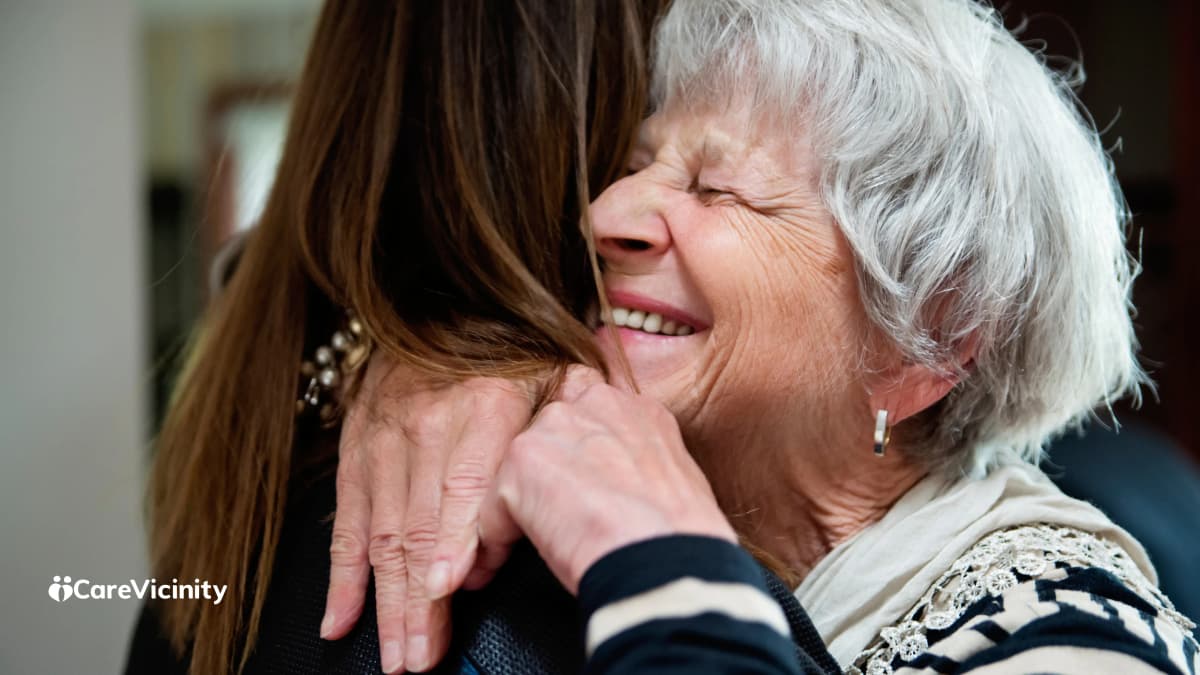
When people think about in-home aged care, they usually picture practical help: cleaning, showering, meals. Community support is a different part of the picture. It's the help that keeps someone connected to people and things they enjoy, not just to a clean house. If you're still weighing up whether it's time to look into any kind of in-home support at all, signs it might be time to consider in-home support is the earlier read.
Worth saying plainly up front: community support here means social and practical companionship, conversation, outings, help getting to a hobby or a friend's place, company at home. It isn't the same thing as community nursing, which is a clinical service. This article is about the first, not the second.
What community support actually means
Community support covers the help that keeps someone socially connected and doing the things they enjoy, rather than the household or personal tasks other kinds of home support cover. It sits alongside those other kinds of support, not instead of them.
It's easy to assume this sort of thing is a nice-to-have that gets arranged privately, if at all. In practice, it's a recognised part of in-home aged care. Under the Support at Home program, "social support" is one of the service types within the broader independence category, alongside things like personal care and transport.
What companionship support can look like day to day
Community support is fairly broad, and what it looks like depends entirely on the person. A few examples of what it can involve:
A regular visit for conversation, a cup of tea and some company.
A lift to a hobby group, a place of worship, or a friend's house, with the support worker staying for the visit rather than just dropping someone off.
Help getting out to do something enjoyable, a walk, an outing, a game of cards, rather than only the errands that need doing.
None of that is filler. It's the actual service, arranged around what the person wants to keep doing, not a fixed script.
Why staying connected is part of staying at home
Being able to stay in your own home isn't only about whether the tasks get done. Who you see, and how often, is part of it too. A person can have a spotless house and a full fridge and still feel disconnected if the only visitors are the people doing jobs around the place.
That's the reason community support exists as its own category rather than being folded into "everything else." It's worth treating as a genuine part of a support plan, not something to consider only once the practical needs are sorted.
Where this fits in the bigger picture
Community support is one piece of a larger set of services that in-home aged care can include, alongside things like personal care, domestic assistance and clinical supports. If you're trying to understand the full range of what's available, our guide to what's included in in-home aged care support covers all of it. This article stays focused on the community support piece specifically.
What to look for in the person providing it
Choosing who provides community support is a slightly different decision from choosing someone for cleaning or home maintenance. The task itself matters less than the person. A few things worth thinking about:
Continuity. Companionship is built on familiarity. Seeing a different person each time makes it harder to build the kind of relationship this support is actually for.
Shared interests or common ground. Someone who can talk about the same things you're interested in, or is happy to learn about them, tends to make the time feel like a visit rather than a scheduled task.
Genuine ease in conversation. This is harder to judge from a profile than practical skills are. A short first meeting or call before committing to ongoing visits is a reasonable way to check the fit.
Finding companionship support through CareVicinity
CareVicinity is an Australia-wide marketplace connecting people with independent support workers, including for companionship and community support. Availability of specific services and workers may vary by location. Because you're choosing the person directly rather than being allocated one, you can look for someone whose interests and approach actually suit you, which matters more here than for most other kinds of home support.
Support workers on CareVicinity are independent contractors, not CareVicinity employees. Care seekers pay no platform fee. CareVicinity's 12.5% platform fee applies to the support worker and is already reflected in the rate shown.
FAQ
Is community support the same as respite care?
No. Respite gives a family carer a break from their caring role. Community support is about the person receiving care staying socially connected, whether or not a family carer is involved at all.
Can I get community support without also arranging personal care?
Yes. It's its own service type, not something that only comes bundled with personal care. What's included in your specific arrangement depends on your support plan.
Does this cover things like clinical or nursing needs during a visit?
No. Community support is social and practical, not clinical. Nursing and other clinical services sit in a different category of in-home aged care.
Next step
If staying connected to people and activities you enjoy is the part of home support that matters most right now, that's worth looking for specifically, not treating as an afterthought to the practical tasks.
Browse independent support workers on CareVicinity to find someone suited to companionship and community support, or read how CareVicinity works first.