Signs It Might Be Time to Consider In-Home Support
13 August 2026
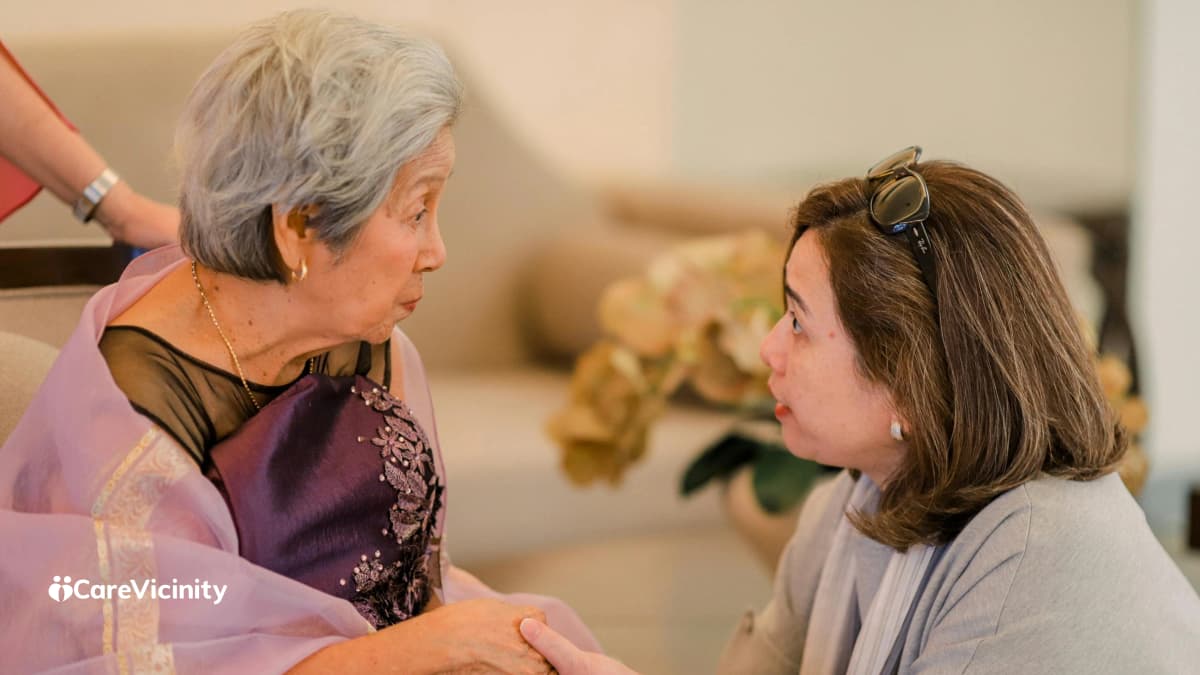
It's rarely one thing. More often it's a handful of small changes that, looked at together, add up to something worth paying attention to, whether you're noticing this in yourself or in someone you care about.
This guide sets out the signs it's time for in-home support to become a real option, not just a someday idea. It's written for two kinds of reader: someone wondering about their own situation, and someone watching it happen in a partner, parent or friend. Either way, noticing these signs isn't a diagnosis of anything. It's simply a prompt to look at what support could make easier. If you're the one watching and arranging, it's worth knowing carer vs support worker: what's the difference, since the two roles get free support very differently.
Changes in everyday tasks and the home
Often the first signs show up in ordinary routines rather than anything dramatic.
Housework, laundry or gardening slipping in a way that's out of character
Meals becoming simpler, less frequent, or skipped altogether
Shopping or errands being put off, or the fridge looking emptier than usual
Bills going unpaid or mail piling up unopened
Clothes not being washed as often, or the same outfit worn repeatedly
None of these on their own mean much. A pattern across several of them, over a few weeks rather than a single bad day, is what's worth paying attention to.
Health and medication signs worth noticing
These are functional, everyday observations, not a medical assessment, and they're worth mentioning to a GP if you're unsure what they mean.
Medications missed, doubled up, or the routine seeming confusing
Getting to appointments becoming harder to manage alone
Noticeable weight change, either direction
Energy dropping off, or naps replacing activities that used to happen
Recovery from a minor illness or injury taking longer than expected
Safety at home
Safety signs are often the ones that prompt families to act, because the stakes feel higher.
A fall, or a near miss that didn't quite happen
Difficulty with stairs, getting in and out of the shower, or standing up from a low chair
Leaving the stove on, or other small lapses that didn't used to happen
Driving becoming more hesitant, or being avoided altogether
The home itself starting to feel less manageable: clutter building up, or maintenance being put off
Social and emotional withdrawal
This category is easy to miss because it develops quietly.
Seeing friends or family less often, or turning down invitations that would once have been accepted
Hobbies or interests dropping away
Seeming flat, withdrawn, or less like themselves in conversation
Loneliness being mentioned directly, even in passing
Worth paying attention to on its own, and worth paying more attention to alongside any of the signs above. Staying socially connected: companionship and community support at home covers what paid support can look like for exactly this kind of change.
When something happens suddenly
Sometimes there's no gradual pattern at all. A hospital stay, a fall, or a sudden change in health can turn "maybe someday" into "actually, now." If that's where you are, in-home support after a hospital discharge or a health scare is one of the more common starting points, not a last resort.
What to do next
What comes next depends on who you're actually asking this question about.
If you're arranging support for a parent or family member, there's a broader process involved: an aged care assessment, funding, and choosing how support is delivered. CareVicinity has a fuller guide to arranging care for an ageing parent that walks through that process step by step, from the first conversation through to support actually starting. It's worth reading once you're ready for that level of detail. If a formal application hasn't been made yet, the first step is usually applying through My Aged Care — see what is My Aged Care, and how do you register.
If you're looking at support for yourself, or you'd simply like to see what's available before deciding anything, the more useful next step is to look at what in-home support options exist near you. There's no need to have every sign confirmed before you start looking.
Either way, noticing the signs is the easy part. Acting on them earlier rather than later tends to mean more choice over how support starts, not less.
FAQ
Is one sign enough to act on, or do I need several? There's no fixed number. A single safety issue, like a fall, is often worth acting on by itself. A pattern of smaller changes across daily tasks, health or mood is just as valid a reason to look into support, even without one obvious trigger.
What if I notice these signs but the person doesn't want help? That's common, and it's a conversation rather than a decision to make unilaterally. Starting with specific tasks rather than "getting help" in the abstract, and framing support as something that helps someone stay independent at home for longer, tends to land better than a general suggestion.
Do I need a doctor to confirm something is wrong before looking at in-home support? No. These are everyday, functional signs, not a medical diagnosis, and in-home support doesn't require one. If a sign concerns you medically, it's still worth raising with a GP, but that's a separate step from looking at support options.
Can I look at support options just to understand what's available, without committing to anything? Yes. Browsing what's available, including looking at independent support workers and what they offer, doesn't commit you to anything.
Where to start
If what you've read here matches what you're seeing, either in yourself or someone you care about, the next step is simply to look at what's available. CareVicinity is an Australia-wide care marketplace connecting people with independent support workers, though availability of specific services and workers can vary by location. You can browse independent support workers, see their experience and availability, and choose who you want to work with, starting from what in-home support could look like for you. Have more questions first? Our FAQs cover the basics.