Helping an Older Person Stay Socially Connected at Home
23 October 2026
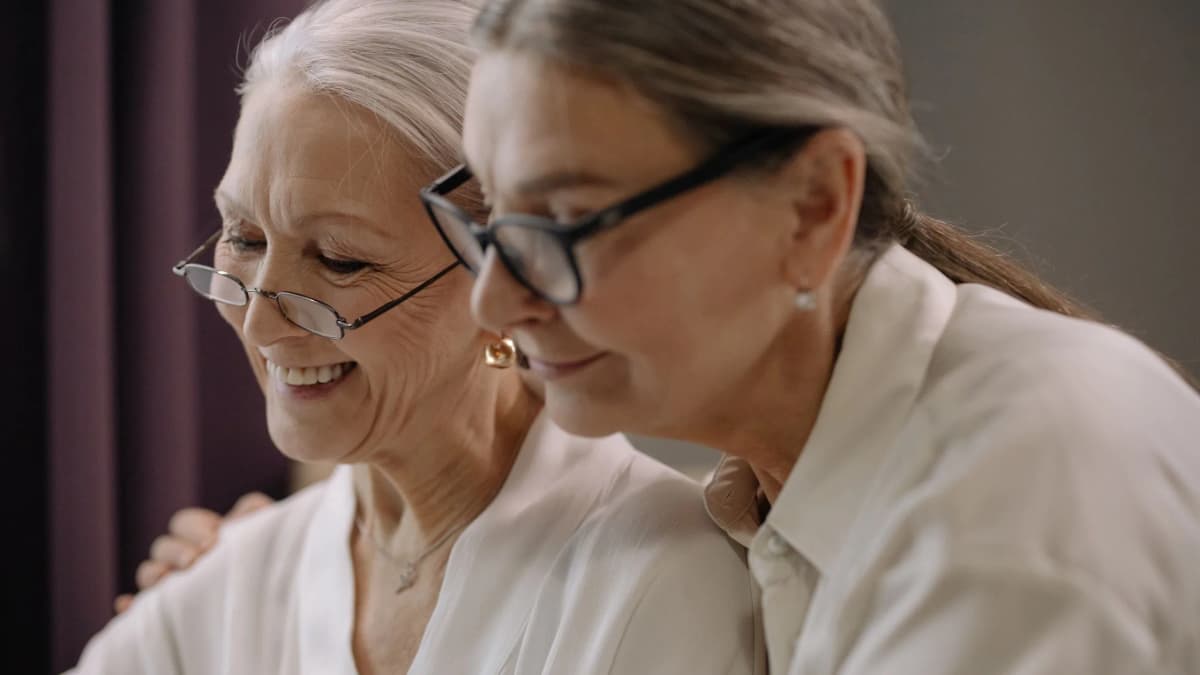
Helping an older person stay socially connected starts with small, regular, specific contact: a call at the same time each week, an invitation to one activity, or a visitor who comes because the person is good company. It works best when it fits what the person already enjoys, rather than a long list of things you think they should do.
Healthdirect explains that loneliness and isolation are not the same thing. Understanding the difference helps you choose the right kind of help, so that is where this guide begins.
Loneliness and isolation are different
Healthdirect describes loneliness as feeling down because you don't have the kind of social relationships you want. Even if you are surrounded by people, you can still feel lonely.
Isolation is different. It means not having many people to talk to or spend time with, and it is about how many social connections you have and how often you see or talk to them. As healthdirect puts it, you can be isolated without feeling lonely, and you can feel lonely even if you are not isolated.
This matters for families. An older person with a busy week of appointments and tradespeople may still feel disconnected, while someone with only a few visitors may be content. Asking what they would like more of is a better starting point than assuming.
Why it can happen at home
Healthdirect says loneliness and isolation are more common as people get older. It lists several life changes that can bring them on, including living alone or far away from family or close friends, and grieving the loss of a partner or friend.
The page also lists living with a physical disability among the situations where a person may feel lonely or isolated. For many families the cause is a mix: a partner has died, driving has stopped, friends have moved, and getting out has become tiring.
None of this means something is wrong with the person. It usually means their routines changed, and the connections that used to be built into those routines went with them.
Practical ways to help
Healthdirect's suggestions for reducing loneliness and isolation include connecting with family and friends, joining a club or community (in person or online), staying active and getting outside, volunteering, spending time with animals, and doing things you enjoy. These ideas translate well into things a family can arrange or encourage.
Make contact regular. A call or visit that happens at a set time is easier to look forward to than "I'll ring when I can". Choose a day and time that suits the person, not you.
Invite, don't instruct. Offer one specific activity, such as a walk to the local park or a morning at a community event, and let them say yes or no.
Help with the practical barriers. Transport, a bad knee or an unfamiliar venue can quietly end an outing. Offering a lift, or going along the first time, often removes the barrier.
Build on what they already like. Gardening, cooking, music, reading and crafts are all on healthdirect's list of things that give structure to a day. A shared version of an old interest is often the easiest way back in.
Think about animals. Healthdirect says time with pets can provide companionship, and that dogs encourage daily walks and routine.
Talk about volunteering. Healthdirect describes volunteering as a way to meet people and feel a sense of purpose, which suits some older people well.
Where a support worker can fit in
Not every family is nearby, and not every older person wants a family member at the centre of their social life. Company from someone outside the family can be a welcome part of the week.
Our guide to companionship and community support at home explains what that can look like day to day, from a regular visit for conversation to company on an outing.
CareVicinity is the marketplace: it does not employ clinicians and does not provide, deliver, supervise, manage or clinically oversee any service, including nursing or allied health. Independent support workers on CareVicinity are independent contractors; CareVicinity does not employ or assign them as staff.
If you are weighing up whether it is time to arrange any kind of help, signs it might be time to consider in-home support is a practical read. For the full range of services, see what is included in in-home care services. Care seekers and coordinators can browse and search the support-worker pool.
Company is one part of staying well and independent at home, and it sits alongside the rest of the picture described in how in-home support helps you stay independent. A visit will not suit every person, and it does not replace the people who matter to them.
When it may be more than a quiet patch
Healthdirect says loneliness and isolation can affect physical and mental wellbeing, and that if someone is feeling lonely or isolated they should talk to their doctor or a counsellor for support and advice.
Take it seriously if the person seems low for a long time, stops doing things they used to enjoy or talks about not feeling worthwhile. A GP is the right first contact. This guide is general information and is not medical or mental health advice.
If someone has thoughts of suicide and is in immediate danger, call triple zero (000). For help and support, healthdirect lists Lifeline on 13 11 14, and its own helpline on 1800 022 222, where a registered nurse is available 24 hours a day, 7 days a week.
Frequently asked questions
How do you help an older person who is lonely?
Start by listening to what they would like more of: company, outings, someone to talk to or something to look forward to. Then offer regular, specific contact and remove practical barriers such as transport. Healthdirect suggests connecting with family and friends, joining groups, staying active and doing enjoyable things. If the loneliness lasts or affects their wellbeing, encourage a visit to their doctor.
What causes loneliness in older people?
Healthdirect lists living alone or far from family and friends, and grieving the loss of a partner or friend, among the common triggers. It also lists living with a physical disability among the situations where a person may feel lonely or isolated. Usually several changes arrive together, such as bereavement, retirement and a move away from friends.
Can someone be isolated without feeling lonely?
Yes. Healthdirect says isolation is about what your social life is like, while loneliness is about how you feel about it. Some people with few social contacts feel content, and others who are often around people still feel lonely.
Is it only the family's job to keep an older person connected?
No. Family, friends, neighbours, local clubs, volunteers and paid support can all play a part. The right mix depends on the person's preferences, so involve them in the choice.
Sources
healthdirect, "Loneliness and isolation" (https://www.healthdirect.gov.au/healthy-living/emotional-wellbeing/loneliness-isolation-mental-health), read 23 October 2026.