What to Do When a Client Dies as a Support Worker
26 October 2026
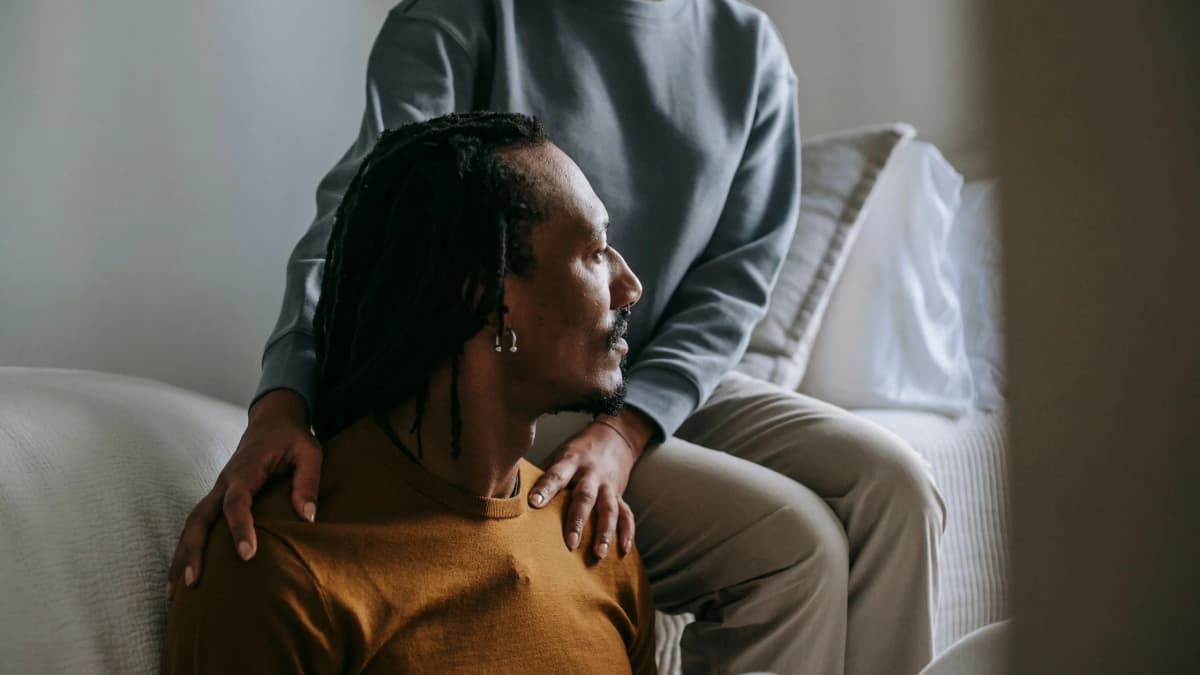
When a client you support dies, there is no single correct response, but a few steps help: give yourself room to grieve, ask the family or the person who arranged the support how they would like to stay in touch, and keep your own notes plain and factual. This guide covers the personal side first and then the practical side. It is general information, not counselling or legal advice.
Grief for a client is still grief
Healthdirect describes grief as the natural emotional response to loss, and says this may involve the death of someone close, like a family member or friend. A client may not be family, but the time you spent with them was real, and it is fair for their death to affect you.
Healthdirect also says every person grieves differently, including how long the feelings last and how they cope with them. Right after a death, especially an unexpected one, it says you may feel shocked, numb or in denial. As you begin to understand the situation, it says you may feel sadness, loneliness, anger, guilt, relief or anxiety.
It adds that grief can come in waves, seeming to fade in intensity for a while before coming back. A quiet week and a hard day can both be part of the same process.
Looking after yourself
Healthdirect says it is important to let yourself explore and express your emotions in healthy ways. It also says it is important to spend time with supportive people to talk about how you are feeling. If you have lost someone, it says honouring their memory may help you process your emotions.
It says it can be a big help to talk to your doctor, a counsellor, a psychologist, people at a support group, a bereavement counsellor, or your friends and loved ones.
Healthdirect says it is a good idea to seek help if you have persistent feelings of sadness and despair, your grief has been distressing for 12 months or more, or your grief is getting in the way of your everyday life.
If you need someone to talk to now, healthdirect lists Lifeline on 13 11 14 for 24-hour crisis support. It lists Griefline on 1300 845 745 for free, confidential support, 8am to 8pm (AEST), 7 days a week.
It also lists Beyond Blue on 1300 22 4636 if you need to talk to someone about your mental health. If you, or someone you know, is having suicidal thoughts and is in immediate danger, healthdirect says to call triple zero (000).
The practical side
None of this has to happen straight away. Start with the family, and follow their lead on timing.
Say you are sorry. A short, kind message to the family or the person who arranged the support is a reasonable start. You do not need to explain the work you did together.
Ask how they would like to stay in touch. There may be things still to sort out, such as a key, belongings or final visits that were already planned. Ask before you assume anything.
Check your own agreement and records. If a visit was worked but not yet written up or paid, raise it only when the family is ready. The guides on rates and agreements and record keeping for independent support workers explain how to keep these clear.
Keep your notes factual. Write the date of your last visit, what you did and anything you passed on, in plain words. How to write a handover note shows a simple way to do it.
Be careful what you share. Check with the family before you speak or post publicly about the client or their last days.
If the family invites you to a funeral or memorial, whether you go is your choice.
Looking after the next visit
If you have another client later the same day or week, you can give yourself a few minutes before you arrive. You do not need to hide that you are having a hard time, but the next client's details are theirs, so keep what you say about the day general.
Support work is emotionally uneven. Talking it through with someone you trust, away from work, is a sensible habit to build early.
If you are thinking about independent support work and want to see how it works, the Deliver Care page is the place to start.
FAQ
Is it normal to feel grief when a client dies? Healthdirect says grief is the natural emotional response to loss. It also says every person grieves differently.
Should I contact the family? There is no single right answer. A short, kind message is a reasonable first step, and you can follow the family's lead on what comes next.
Where can I get support? Healthdirect lists Lifeline on 13 11 14 and Griefline on 1300 845 745. It says it can be a big help to talk to your doctor, a counsellor or a bereavement counsellor.
How long does grief last? Healthdirect says that for most people the intensity of grief eases over time. It says it is a good idea to seek help if your grief has been distressing for 12 months or more.
Sources
Grief and loss, healthdirect, read on 26 October 2026.