Home Safety Checklist for Older People: Room by Room
19 October 2026
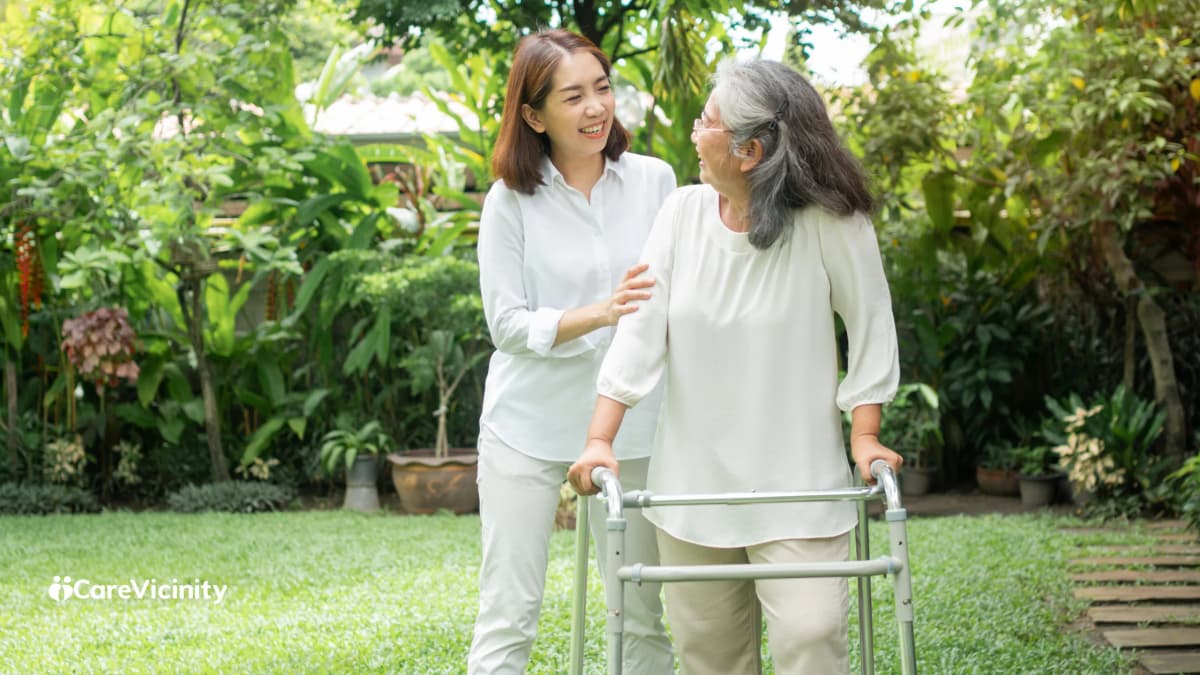
A home safety checklist for older people is a room-by-room list of things to look at: lighting, floors, steps, bathrooms and the paths around the house. Around half of all falls happen in and around the home, so a calm walk-through is one of the most practical things a family can do.
You do not need special equipment or a professional to start. Pick a time when it is light, walk through each room with the person who lives there, and note anything that makes you pause. This guide gives you the checks, then explains what you can fix yourself and when to ask for more help.
How to use this checklist
Do the walk-through together, not as an inspection. The person who lives in the home knows which step they avoid and which corner is awkward at night, and they are more likely to agree to changes they helped choose.
Go room by room and take notes or photos on your phone.
Look at each space in daylight and again after dark, because lighting problems are easy to miss at noon.
Sort what you find into quick fixes, things to ask a family member or handyperson about, and things that need professional advice.
Repeat the walk-through after any hospital stay, change in health or move of furniture.
Entrances, hallways and living areas
These are the spaces people cross most often, so small hazards add up. Healthdirect lists poor lighting, rugs, floor mats and electrical cords among the common household hazards, along with slippery surfaces and uneven ground.
Can you reach a light switch as you enter the room, without walking into the dark first?
Do rugs and mats lie flat with a slip-resistant backing, or can they be removed?
Are cords kept away from walkways and tucked against the wall?
Is there a clear path through the furniture, wide enough for a walking aid if one is used?
Is the phone within easy reach of the favourite chair?
Is it easy to stand up from the main chairs and the lounge?
Stairs, steps and ladders
Steps are where a small problem becomes a bigger one. Check them inside and outside the house.
Is there a sturdy handrail, and is it secure when you pull on it?
Are step edges visible, for example with high-contrast tape or non-slip strips?
Are surfaces free from loose carpet, worn treads or broken edges?
Are there light switches at the top and bottom of indoor stairs?
If a stepladder or step stool is used, is it short, sturdy and in good condition?
If a ladder or step stool is only used to reach high shelves, a better fix is often to move the items people use every day to waist height, so no one needs to climb.
Kitchen
Look at what is stored where. A kitchen that needs reaching high or bending low asks more of balance than one where everyday items sit at waist height.
Are the things used daily within easy reach?
Are the benchtops well lit where food is prepared?
Is the floor slip-resistant, and are spills wiped up straight away?
Are heavy or bulky items stored at waist height rather than on high shelves?
Bedroom
The path from bed to bathroom at night is one of the most important routes in the house.
Is there a lamp, night light or switch within reach of the bed?
Is the phone within reach from the bed?
Is a walking aid, if used, kept close to the bed and not in the way?
Are bed covers kept off the floor?
Is it easy to get in and out of bed?
Bathroom and toilet
Wet surfaces and hard fittings make this room worth a closer look. The NSW Health Active and Healthy checklist covers non-slip mats, a secure handrail near the shower or bath and a handrail beside the toilet, and notes that a towel rail should not be relied on for support.
Do the bath and shower have slip-resistant flooring?
Is there a secure grab rail near the shower or bath and beside the toilet?
Can the person step in and out of the shower easily, without stepping over a high edge?
Can soap and shampoo be reached without bending or stretching?
Is the room well lit, including where medicines are kept?
Grab rails and shower changes are the kind of job to get properly advised on and fitted correctly, rather than improvised.
Outside the home
Healthdirect counts the area around the home as part of the risk, so a check that stops at the front door misses part of the picture.
Are paths and entrances well lit at night?
Are paths free from damaged pavers, overgrown plants and pot plants?
Do outdoor steps have handrails and marked edges?
Are garden tools put away after use?
Are enclosed shoes with good grip worn outside?
Is the clothesline, bin and letterbox easy to reach without a long walk?
Shoes, lighting and the small habits
Not every hazard is a fixture. Healthdirect lists unsafe or poorly fitting shoes and slippers as a common cause.
Slippers that slide off or worn soles are worth replacing. Sensor lights or night lights in hallways and outside the front door can remove the need to remember a switch.
What you can fix yourself, and what needs advice
Most items on this list are quick fixes: remove or secure a rug, move a cord, clear a walkway, add a night light, put everyday items at waist height. A family member, friend or local handyperson can do many of these, as the NSW Health page notes.
Larger changes need advice before you spend money. These include grab rails, a step into the shower, ramps and handrails on external steps. The NSW Health page says a health professional can arrange for an occupational therapist to carry out a home safety assessment, and that occupational therapists can advise on handrails, modifications and equipment.
If the walk-through turns up more than hazards, such as frequent stumbles, dizziness or worry about falling, raise it with a doctor. Healthdirect notes that a doctor can work with the person and their family or carers on predicting and preventing falls, and may refer them to other health professionals.
Whether any funding applies to equipment or modifications depends on the person's own arrangements. Check with their provider or My Aged Care before you buy or book anything.
Where support at home fits
Some of the work is about doing, not deciding. If the walk-through shows that clearing clutter, moving things to easier heights or tidying outdoor paths is hard to keep up, an independent support worker can help with everyday tasks around the home. Agree what is included before the first visit, and remember that what you can arrange depends on your support plan.
CareVicinity is the marketplace: it does not employ clinicians and does not provide, deliver, supervise, manage or clinically oversee any service, including nursing or allied health. Independent support workers on CareVicinity are independent contractors; CareVicinity does not employ or assign them as staff. Care seekers pay no platform fee. CareVicinity's 12.5% platform fee applies to the support worker.
If you are not sure whether it is time to bring in extra help, our guide to the signs it may be time to consider in-home support covers the safety signs families often notice first.
When you are ready to start, getting started with in-home support walks through the steps, and what happens on a first in-home support visit shows what to expect. To keep someone living at home on their own terms, see staying independent with in-home support.
Frequently asked questions
What should be on a home safety checklist for older people?
Cover lighting, floors and rugs, cords and clutter, steps and handrails, the kitchen, the bedroom, the bathroom and toilet, and the paths outside. Also check footwear. The sections above give a question for each area.
Where do most falls happen?
Healthdirect says around half of all falls happen in and around the home. The common hazards it lists are poor lighting, unsafe shoes or slippers, slippery surfaces, trip hazards such as rugs, mats and cords, and steps or uneven surfaces.
Who can do a home safety assessment?
A health professional can arrange for an occupational therapist to carry out a home safety assessment, according to NSW Health. Ask the person's doctor, or their aged care provider if they have one.
How often should you review home safety?
There is no fixed rule in the sources we read. A sensible habit is to repeat the walk-through after a hospital stay, a change in health, or when furniture or equipment changes.
Can a support worker make a home safer?
A support worker can help with everyday tasks such as tidying walkways or keeping frequently used items within reach, if that is agreed in advance. They do not replace an assessment by an occupational therapist, and they cannot guarantee that a fall will not happen.
Sources
Pages read on 19 October 2026.
healthdirect, Older people and falls: causes, treatments and prevention
NSW Health, Active and Healthy, Home safety checklist
My Aged Care, myagedcare.gov.au