What Happens on Your First In-Home Support Visit
04 September 2026
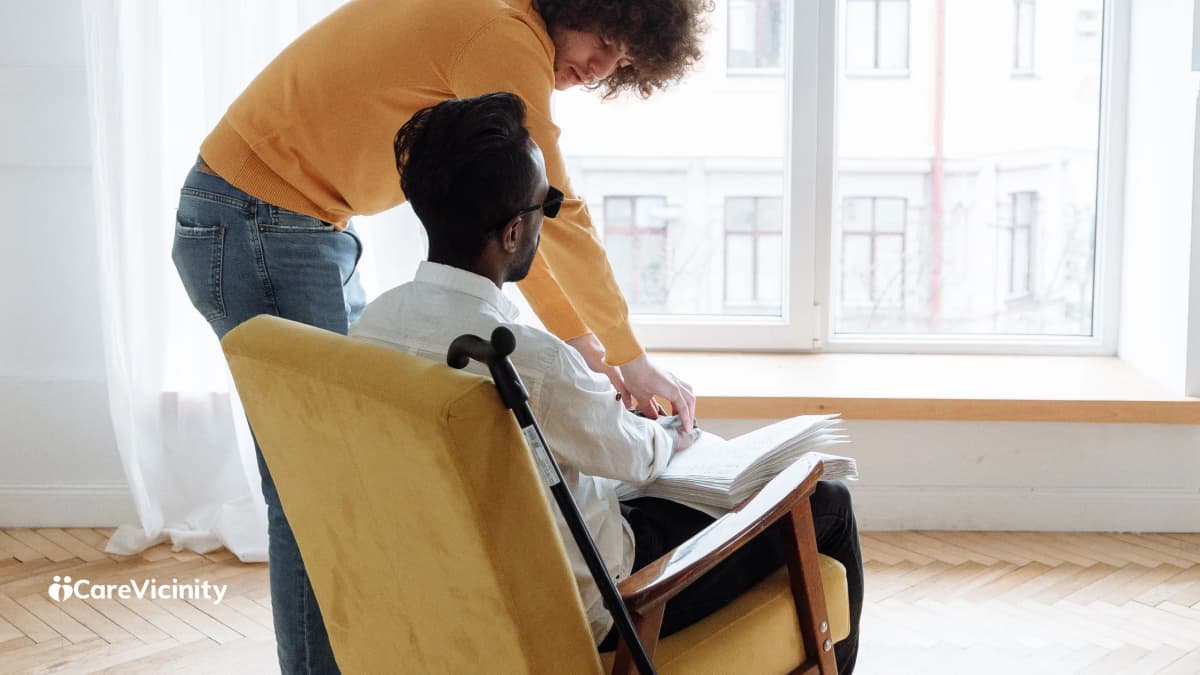
What Happens on Your First In-Home Support Visit
If you've organised the paperwork, signed the agreement and picked a support worker, there's still one thing that's hard to prepare for: what the actual visit is like. Not the forms, the moment someone you've chosen but haven't met yet is standing at your door.
In short: a first visit is mostly about introductions and confirming, in person, that what was agreed on paper actually fits what you need day to day. It usually isn't a full session of tasks straight away, small adjustments afterwards are normal, and because you chose your support worker yourself, this first meeting is a genuine two-way check rather than something being done to you.
Before the visit: what's already been settled
By the time a first visit happens, the practical groundwork is usually already in place - what services are being provided, roughly how often, and what you're expecting to pay. If you haven't sorted that part yet, getting started with in-home support covers the paperwork and preparation side in detail. This article picks up from there and stays on the visit itself.
The first few minutes: introductions, not tasks
A first visit usually starts the same simple way: introductions, a bit of small talk, and the support worker getting a sense of your home and your routine, rather than moving straight into tasks. A support worker meeting a client for the first time is also working out how you like things done, which is something no amount of paperwork fully captures.
It's normal to feel a little formal or awkward in these first few minutes. That tends to settle quickly once the conversation moves from "hello, nice to meet you" to something more practical, like talking through your actual day.
Talking through what you actually need
A useful first visit usually includes a plain conversation about what a normal day or week looks like for you, not just what's written in the care plan. Care plans are necessarily a bit general, they're written before anyone has actually seen your home or your routine. The first visit is where the general version gets made specific: which tasks matter most to you, what times work, and what you'd rather do yourself if you can.
This is a good moment to raise anything you didn't think to mention earlier, a preference about how something is done, a room you'd rather they didn't tidy, a routine that matters more to you than it looks like on paper. A support worker worth keeping will want to know these things early rather than guessing.
Confirming tasks and how the visit will run
Once the conversation has covered the basics, a first visit usually moves into confirming, out loud, what's actually going to happen during this visit and future ones. That might mean walking through the home together, agreeing on a rough order of tasks, or simply checking that both of you understand the same thing by "help with the shower" or "a couple of hours of company."
It's reasonable to expect the first visit to include at least some of the actual support you've arranged, not purely conversation, but it's also normal for a first visit to run a little differently to how later visits will once the routine is established. Neither of you is trying to get everything perfect on day one.
What's normal to adjust afterwards
It would be unusual for a first visit to reveal that everything was planned exactly right. A different day might suit you better than the one on paper. A task might take longer, or less time, than expected. You might realise you want more conversation and less silent efficiency, or the other way round. None of that means anything went wrong, it means the plan is doing what it's supposed to: adjusting to fit a real person rather than staying fixed to an assumption made before anyone met.
Because you chose your support worker directly through CareVicinity rather than being allocated one, the first visit is a genuine two-way check, not a one-way assessment of you. If something about the fit doesn't feel right, that's worth raising, either with your support worker directly or by choosing to work with someone else. How to hire an independent support worker covers that process if you do want to look elsewhere.
If the first visit doesn't go well
A first visit is usually unremarkable in a good way: a bit formal, mostly fine, nothing dramatic. Occasionally the fit genuinely isn't right, a communication style that doesn't suit you, a mismatch in expectations that a second conversation can't resolve. That's a normal part of choosing someone yourself rather than being assigned them: you're allowed to decide it isn't working and look for someone else. It isn't a failure on either side, it's what the choice you made at the start was always for.
Settling into a rhythm after the first few visits
Once the first visit or two are behind you, any adjusting tends to happen quickly. How rates and agreements work with a support worker covers what the day-to-day mechanics look like once things settle into a routine, things like scheduling, rates, and how ongoing changes get handled.
FAQ
Does someone else come with the support worker the first time? That depends on the individual arrangement rather than a fixed rule - it's a reasonable thing to ask your support worker directly before the visit if it matters to you.
How long does a first visit usually take? There's no fixed length - it depends on what's been arranged and how much there is to talk through. If a first visit feels rushed or too short to cover what matters to you, that's worth raising with your support worker rather than assuming it's fixed.
What if I need to reschedule or cancel the first visit? Let your support worker know as early as you can. A change to the first booking isn't unusual, especially if something about the timing turns out not to work once it's closer.
Meeting your support worker with confidence
Knowing roughly what to expect makes the first visit easier for everyone. Browse independent support workers on CareVicinity if you haven't chosen one yet, or read how CareVicinity works for the fuller picture of how a first visit fits into hiring someone.
CareVicinity is an Australia-wide care marketplace connecting people with independent support workers. Care seekers pay no platform fee. CareVicinity's 12.5% platform fee applies to the support worker and is already reflected in the rate shown.