CHSP vs Support at Home: Which Aged Care Pathway Fits Your Situation?
03 September 2026
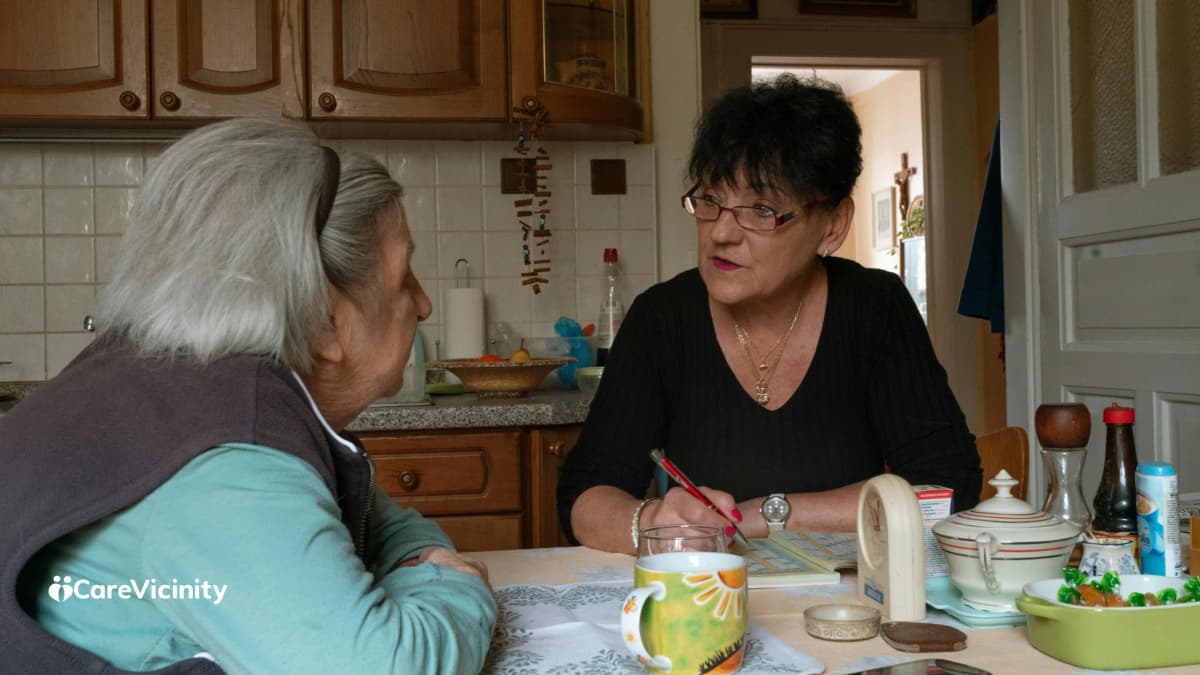
If you've been researching aged care support and keep seeing both "CHSP" and "Support at Home," it's a fair source of confusion - they're two separate, currently-running government programs, not two names for the same thing.
In short: The Commonwealth Home Support Programme (CHSP) is a lower-level, entry-point program for basic support at home. Support at Home is the broader program for ongoing, higher-level or more complex in-home care needs, and replaced the Home Care Packages Program from 1 November 2025. Both currently exist side by side - CHSP hasn't been folded into Support at Home.
What each program is generally for
CHSP suits people who need a smaller amount of support to stay independent - things like help with housework, transport to appointments, basic personal care, or social support, usually a few hours a week rather than a full coordinated care plan.
Support at Home suits people with more complex or higher-level needs, where a single assessed, funded support plan covering multiple service types (personal care, allied health, domestic assistance and more) makes more sense than a handful of separate CHSP services.
Neither program is "better" - they're matched to different levels of need, and it's genuinely common to start on one and move to the other as circumstances change. Either way, you can see the kinds of in-home support services on CareVicinity while you're still getting your bearings.
Assessment and pathway differences
Both programs start with an assessment through My Aged Care, but the assessment and the support that follows aren't identical:
CHSP typically involves a simpler regional assessment service (RAS) assessment, focused on lower-level needs.
Support at Home involves a comprehensive assessment, which looks at more complex needs and results in an individual support plan with a funding classification.
If your needs are straightforward and modest, My Aged Care and the assessor will generally guide you toward CHSP. If your needs are more involved, they'll guide you toward a comprehensive assessment for Support at Home instead. You don't have to work this out and choose correctly yourself in advance.
How needs can change over time
It's common for someone's needs to grow - a bit of help with housework today can become a need for personal care, allied health or more hours of support down the track. If that happens, a reassessment can move someone from CHSP into Support at Home, rather than being stuck wherever they started. There's no need to guess right the first time; the system is designed to be reassessed as things change.
What's happening with CHSP long-term
CHSP was originally expected to eventually transition into Support at Home. The current government timeline has CHSP continuing to operate as its own program until at least 1 July 2027, and consultation on its longer-term design is ongoing. If you're accessing or considering CHSP now, it continues to run as a separate program in the meantime - this isn't a program that's about to disappear on you.
If you're not sure which one applies to you
This article can't tell you which pathway fits your specific situation - that depends on an individual assessment, not a general guide. The practical next step is the same either way: contact My Aged Care (by phone or online) or ask your GP for a referral, and the assessment process itself will direct you to the right program based on your actual needs.
FAQ
Can I be on both CHSP and Support at Home at the same time? Generally no - they're structured as separate pathways matched to different levels of need, not services you combine. An assessment determines which one fits your situation.
Is CHSP being phased out? Not on a fixed near-term date. It was previously expected to eventually fold into Support at Home; the current timeline has it continuing as a standalone program until at least 1 July 2027, with further consultation underway.
What if I start on CHSP and my needs increase? A reassessment can move you into Support at Home if your needs grow beyond what CHSP is designed for - you're not locked into your first assessment outcome permanently.
Do I apply for CHSP or Support at Home directly? No - you apply for an assessment through My Aged Care, and the assessment process determines which program fits, rather than you choosing between them upfront.
Next step
Once you understand which pathway is likely to apply, the practical next question is usually who delivers the approved services. How to hire an independent support worker through CareVicinity walks through that step, and What is Support at Home? A plain-language guide covers the Support at Home side of this in more detail.
CareVicinity is an Australia-wide care marketplace connecting people with independent support workers who can deliver Support at Home-funded services. Availability of specific services and workers may vary by location.